
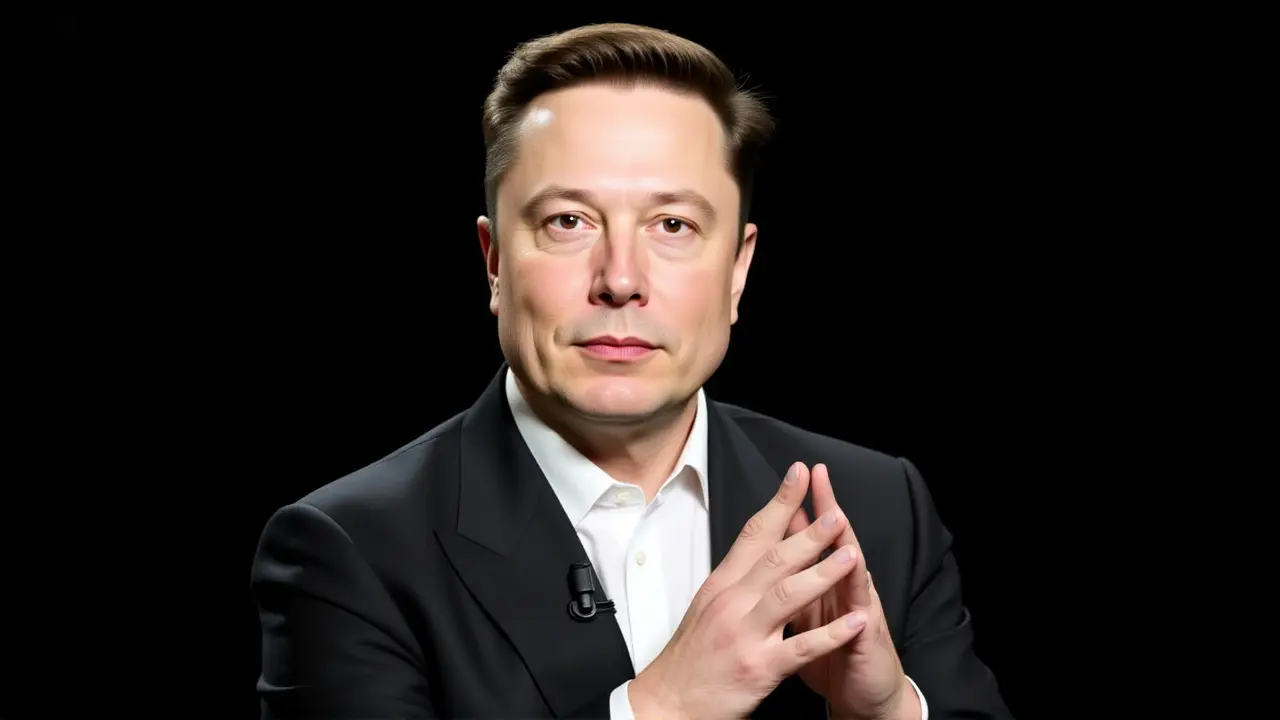
On Wednesday, December 17, 2025, Elon Musk became the first person in recorded history to surpass $600 billion in net worth — hitting $638 billion, according to the Bloomberg Billionaires Index. The leap wasn’t gradual. It was explosive. One day, he was the richest man alive. The next, he was in a league no one else had even approached. And the engine behind it all? SpaceX, the Texas-based aerospace company he founded in 2002 with a wild dream: to make humanity multiplanetary.
The SpaceX Surge That Changed Everything
What happened? An insider share sale in December 2025 pushed SpaceX’s valuation to $800 billion — double what it was just five months earlier in July. That single move added $200 billion to Musk’s personal fortune overnight. His 42% stake? Now worth $317 billion. That’s more than the entire market cap of Microsoft in 2020. And it’s not just paper. SpaceX completed 96 orbital launches in 2025 — capturing 78% of the global commercial launch market, per SpaceNews. Its reusable Falcon 9 rockets aren’t just efficient; they’ve become the default choice for governments and corporations alike.
Then there’s Starlink. The satellite internet arm, now with over 6,000 operational satellites, generated $6.2 billion in revenue through the first three quarters of 2025. Analysts expect that to hit $8.5 billion by year-end — a 142% jump from 2024. More than 3 million customers across 75 countries are paying for service, from remote Alaskan villages to war-torn regions in Eastern Europe. It’s not just connectivity; it’s infrastructure.
The Road to Trillionaire Status
The next big move? An IPO — tentatively scheduled for Q2 2026. If SpaceX hits its target valuation of $1.5 trillion, Musk’s stake alone would be worth $630 billion. Combine that with his 13% holding in Tesla, Inc. (now valued at $78 billion), and his net worth could cross $1 trillion. That’s not speculation. It’s a financial roadmap drawn by J.P. Morgan Chase & Co. in New York. Bloomberg’s analysts say the IPO could be the largest in history — dwarfing Alibaba’s $25 billion debut in 2014.
But here’s the twist: SpaceX isn’t just a tech company. It’s a national asset. It holds exclusive NASA contracts for the Artemis lunar lander program. It’s building next-gen Starship rockets capable of carrying 100 people to Mars. And it’s working on classified projects for the U.S. Space Force at the Pentagon in Arlington, Virginia. That dual civilian-military role makes the IPO far more complex than Apple or Google’s were. The U.S. Securities and Exchange Commission will demand unprecedented transparency — especially around military contracts.
From $100 Billion to $638 Billion in Five Years
Remember when Musk hit $100 billion in 2020? That was all about Tesla. Electric cars. Battery tech. A stock market frenzy. Today, Tesla is a footnote in his empire. His wealth growth in 2025 alone? A 155.2% jump — from $250 billion in January to $638 billion by December. That’s not compound interest. That’s a rocket launch.
And Musk isn’t done. He’s publicly teased plans for space-based AI data centers — satellites that process AI workloads in orbit, reducing latency and bypassing ground infrastructure. Think of it as the cloud, but in space. If realized, this could become SpaceX’s third major revenue pillar, after launch services and Starlink. No one else is even trying this. Not Amazon. Not Microsoft. Just Musk.
Why This Matters Beyond the Numbers
This isn’t just about one man’s bank account. It’s about the shift in global power — from oil and finance to space and data. SpaceX’s dominance means the U.S. controls the majority of orbital access. That’s strategic. That’s geopolitical. And it’s happening faster than anyone predicted.
Compare this to the dot-com boom. Back then, billionaires emerged over decades. Musk did it in under 15 years. And he’s not done. He’s already talking about Mars colonies. About terraforming. About making Earth a backup planet. Some call it fantasy. Others see a man building the infrastructure for humanity’s next chapter.
But there’s a shadow too. Critics point to the concentration of wealth and power in one individual. Can one person — even with genius — control the future of space travel? Should he? The regulatory battles ahead won’t just be about taxes. They’ll be about democracy, competition, and who gets to decide where humanity goes next.
Frequently Asked Questions
How did SpaceX’s valuation double in just five months?
The jump from $400 billion to $800 billion was triggered by an insider share sale in December 2025, where existing investors sold stakes at a premium, signaling strong confidence in SpaceX’s future. Analysts cite three drivers: dominance in commercial launches (78% market share), rapid Starlink subscriber growth (3M+ users), and the successful test flights of Starship — which proved reusable heavy-lift capability. Investors saw these as de-risking the path to Mars.
What makes the SpaceX IPO so complicated?
Unlike typical tech IPOs, SpaceX holds classified contracts with the U.S. Space Force and NASA’s Artemis program. The SEC requires full disclosure of financials — but national security concerns limit what can be made public. This creates a legal tightrope: investors want transparency, but the government needs secrecy. Regulators are still debating whether to allow partial disclosures or create a new framework for defense-linked companies.
Could Musk really become the world’s first trillionaire?
Yes — if SpaceX hits its $1.5 trillion IPO target. At that valuation, his $630 billion stake from SpaceX, plus $78 billion from Tesla, $15 billion in real estate and private jets, and $5 billion in other assets, would push him to $1.05 trillion. That’s more than the GDP of countries like Norway or the Netherlands. No one has ever crossed that line — and no one has ever held so much concentrated wealth.
How does Starlink make money if it’s available in poor regions?
Starlink earns revenue from three streams: direct consumer subscriptions (mostly in wealthier nations), government and military contracts (including Ukraine and NATO), and enterprise partnerships (shipping, aviation, mining). While some users in low-income areas get subsidized access, the bulk of profits come from high-margin commercial clients. Revenue grew 142% year-over-year in 2025 — proving it’s not charity; it’s a scalable business.
What’s the timeline for Musk’s Mars ambitions?
Musk says the first uncrewed Starship mission to Mars could launch as early as 2028. Crewed missions are targeted for the 2030s. But these dates depend on Starship’s reliability — it’s had mixed results in test flights. Even if successful, establishing a sustainable colony will take decades and trillions in investment. SpaceX’s current success is the foundation, not the finish line.
Is there any legal risk to Musk’s wealth?
Yes. The SEC is already investigating whether Musk’s public statements about the SpaceX IPO constituted market manipulation. Additionally, the U.S. Treasury is examining whether his personal use of SpaceX assets (like private launches) violates corporate governance rules. If regulators find misconduct, they could demand asset freezes or forced sales — potentially slashing his net worth overnight.