
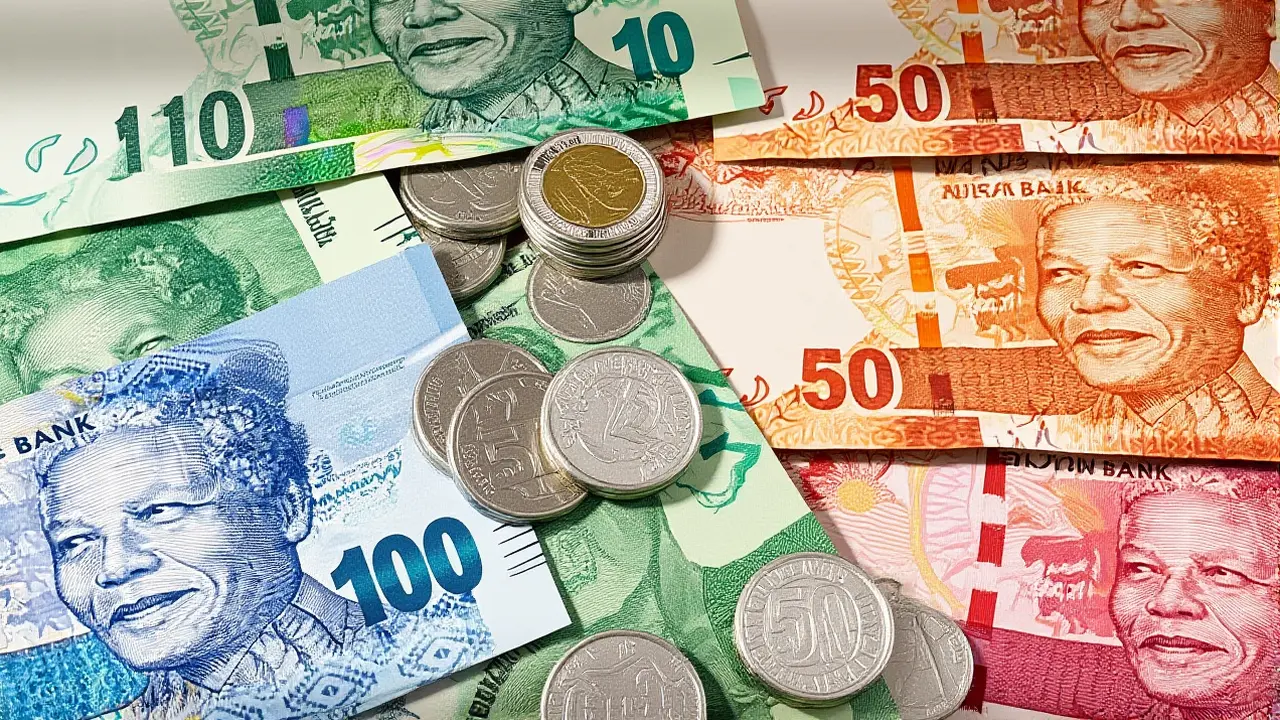
Millions of South Africans can finally mark their calendars. South African Social Security Agency (SASSA) has locked in the payment schedule for June 2026, confirming that social grants will be disbursed during the first week of the month. The news comes as a relief to pensioners, people with disabilities, and caregivers who rely on these funds for survival.
The payments are set to begin on Tuesday, June 2, 2026, and conclude by Thursday, June 4, 2026. This staggered approach isn't just administrative convenience; it’s designed to keep lines moving and ATMs stocked across the country. But here’s the twist: while the dates are consistent across reports, the exact amount landing in your account might depend on which source you trust—and whether SASSA has quietly updated its figures.
The Official June 2026 Schedule
Let’s get the basics out of the way first. According to reports from IOL and The Citizen, both citing official SASSA communications, the payment window is tight but predictable. The agency is sticking to its standard rotation to manage crowd control at post offices, retail partners like Shoprite and Pick n Pay, and banking points nationwide.
- Tuesday, 2 June 2026: Older Person’s Grant recipients.
- Wednesday, 3 June 2026: Disability Grant beneficiaries.
- Thursday, 4 June 2026: Children’s Grants (including Child Support and Foster Care).
If you’re wondering why they don’t pay everyone on the same day, the answer is simple logistics. As SASSA explained in statements carried by IOL, staggering payments "reduces pressure on payment points, retailers and ATMs." It ensures that when millions of beneficiaries try to access cash simultaneously, the system doesn’t buckle under the weight.
Conflicting Figures: Which Grant Amount Is Correct?
Here’s where things get tricky. While the dates are uniform, the reported grant values for June 2026 differ significantly between major news outlets. This discrepancy leaves many beneficiaries scratching their heads about what to expect in their accounts.
IOL reports higher figures, listing the Older Persons Grant and Disability Grant at R2,400. They also list the War Veterans Grant at R2,420, the Foster Child Grant at R1,290, and the Child Support Grant at R580. These numbers suggest a potential increase or an updated inflation adjustment that hasn’t been widely publicized yet.
In contrast, The Citizen cites lower amounts. Their report states the Old Age Grant for those aged 60–74 is R2,315, rising slightly to R2,335 for those 75 and older. The Disability Grant is listed at R2,315, while the Child Support Grant sits at R560. Notably, The Citizen includes the Social Relief of Distress (SRD) Grant at R370, a figure absent from IOL’s summary.
Why the difference? It’s possible one outlet is reporting on provisional budgets while the other reflects finalized Treasury allocations. Or, there may be a lag in updating legacy data. For now, beneficiaries should prepare for the lower end of the spectrum until SASSA issues a definitive confirmation letter or SMS alert.
No Rush to Withdraw Your Cash
A common myth persists that grant money disappears if you don’t withdraw it immediately. SASSA has explicitly debunked this. Once the funds hit your bank account or SASSA card balance on your designated date, they stay there. Safely.
You do not need to queue up at 5 AM on June 2nd if you’re an older person. You can wait until the weekend, or even later in the month, to access your cash. The agency emphasizes that the money remains secure in your account until you choose to spend it. This flexibility allows beneficiaries to plan their withdrawals around personal schedules rather than panic-driven crowds.
What This Means for Beneficiaries
For the average household, these grants are lifelines. In South Africa, where unemployment remains high, social grants support millions of families. The certainty of the June dates helps with budgeting—knowing exactly when rent, food, and transport money will arrive reduces financial stress.
However, the confusion over amounts highlights a broader issue: communication gaps. When two reputable sources give different numbers, trust erodes. Beneficiaries deserve clarity. Until then, it’s wise to monitor your account closely on the scheduled dates and verify any discrepancies directly with SASSA via their toll-free number or local office.
Looking Ahead: The 2025-2026 Financial Year
This June schedule is part of SASSA’s broader operational framework for the 2025–2026 financial year. On its official website, the agency maintains a poster detailing payment dates for the entire period, guided by its slogan: "Paying the right social grant, to the right person, at the right time and place."
As we move through 2026, keep an eye on any policy shifts. With economic pressures mounting, the government may announce further adjustments to grant values mid-year. Stay informed, check official channels, and share accurate information within your community.
Frequently Asked Questions
When will I receive my SASSA grant in June 2026?
Payments are staggered: Older Person’s Grants on Tuesday, 2 June; Disability Grants on Wednesday, 3 June; and Children’s Grants on Thursday, 4 June 2026. Funds will appear in your account on these specific dates.
How much is the Child Support Grant in June 2026?
Reports vary. IOL lists the Child Support Grant at R580, while The Citizen reports it at R560. We recommend verifying with SASSA directly, but plan for approximately R560-R580 per child.
Do I need to withdraw my grant money immediately on the payment date?
No. SASSA confirms that once funds are deposited, they remain safely in your account. You can withdraw them at your convenience without fear of losing the money or facing penalties.
Why are there different grant amounts reported by news outlets?
Discrepancies often arise from differing sources—some outlets may cite provisional budgets while others use finalized Treasury data. Always cross-check with official SASSA announcements or visit a local branch for confirmed figures.
Is the SRD Grant included in the June 2026 schedule?
The SRD Grant is typically paid on separate dates, often mid-month. The Citizen reports an SRD value of R370, but it is not part of the 2-4 June staggered schedule for main grants. Check SASSA’s dedicated SRD portal for specific payout dates.





Comments
lavanya tolati
it is heartwarming to see the system trying to keep up with people's needs
the staggered dates make sense for crowd control but the confusion over amounts is stressful
srinivasan sridharan
one must appreciate the logistical effort required to disburse funds to millions without causing systemic collapse
however, the discrepancy in reported figures suggests a lack of transparency that is frankly unacceptable in a modern state
why should citizens have to play detective to know their own entitlements?
Anant Kamat
honestly just glad they are paying on time this month
no need to rush out at dawn like zombies if you don't want to
Indrani Dhar
trust me when i say these numbers are fabricated to keep us docile while the real money disappears into offshore accounts
the difference between R2400 and R2315 is not a clerical error it is theft disguised as bureaucracy
they want you confused so you do not notice the inflation eating your grant alive
stay vigilant because the system is designed to fail you
Raja Meena
it is morally reprehensible that news outlets cannot agree on basic facts
this erodes trust in public institutions and causes unnecessary anxiety for vulnerable populations who rely on these grants for survival
journalists should be held accountable for spreading unverified information
Pooja Kiran
the variance in data sources indicates a failure in centralized communication protocols
IOL and The Citizen are pulling from different treasury drafts which creates cognitive dissonance for the end user
beneficiaries should assume the lower figure to avoid budgetary shock
it is a classic case of information asymmetry exploited by lazy reporting standards
Gaurav sharma
you people are missing the bigger picture here
the government wants you dependent and confused so you never question why the amounts are so low
stop complaining about the dates and start asking why the value is stagnating while prices soar
it is psychological warfare through poverty management
Megha Khairnar
perhaps we should focus on the positive aspect that the payments are scheduled and predictable
conflict arises from uncertainty so having fixed dates helps reduce community tension around resource distribution
we must encourage patience and verify information through official channels rather than speculation
Twinkle Vijaywargiya
let us work together to ensure everyone knows the correct dates
sharing accurate information within our communities can help prevent panic buying or long queues
if you have verified your amount please share the source so others can benefit from your diligence!
Swetha Sivakumar
i find it helpful that SASSA clarified the withdrawal myth
knowing I can wait until the weekend saves me from losing my morning routine to a queue
thanks for sharing this update
diksha gupta
what a relief to finally have clarity on the schedule
the vibrant chaos of June will be slightly less chaotic now that we know when the cash flows
hope everyone stays safe and healthy during the payout week
Sai Krishna Manduva
consider the philosophical implication of staggering payments
it is an attempt to impose order on the inherent chaos of human need
yet the differing amounts suggest that reality itself is fluid depending on who observes it
perhaps the truth lies somewhere between the two reported figures
Siddharth SRS
it is imperative to note that the financial implications of these discrepancies extend beyond mere inconvenience
the psychological toll of uncertainty on elderly beneficiaries cannot be overstated
one must advocate for stricter regulatory oversight of media reporting regarding social security matters
the current situation is untenable and requires immediate rectification by relevant authorities
Anoop Sherlekar
let's stay positive and prepared! 💪
check your accounts and plan your month wisely
you got this!
Navya Anish
typical western inefficiency masquerading as progress
our systems are far more organized and transparent unlike this chaotic mess where even the newspaper reporters cannot get the numbers right
shameful display of administrative incompetence
Subramanian Raman
interesting how the dates align with the lunar cycle perhaps? 🌙
just curious if there is any astrological significance to Tuesday for pensions
would love to hear thoughts on this
Shreyanshu Singh
everyone is freaking out over nothing honestly
the money is there whether you check today or tomorrow
stop letting the media manipulate your emotions with fake urgency
it is all a drama created by bored journalists
Sohni Bhatt
the sheer audacity of expecting precise figures from such a disorganized entity is laughable
one would think after decades of operation they could standardize their communication channels
instead we get this cacophony of conflicting reports that undermine the dignity of the recipients
it is a testament to the decline of institutional integrity