
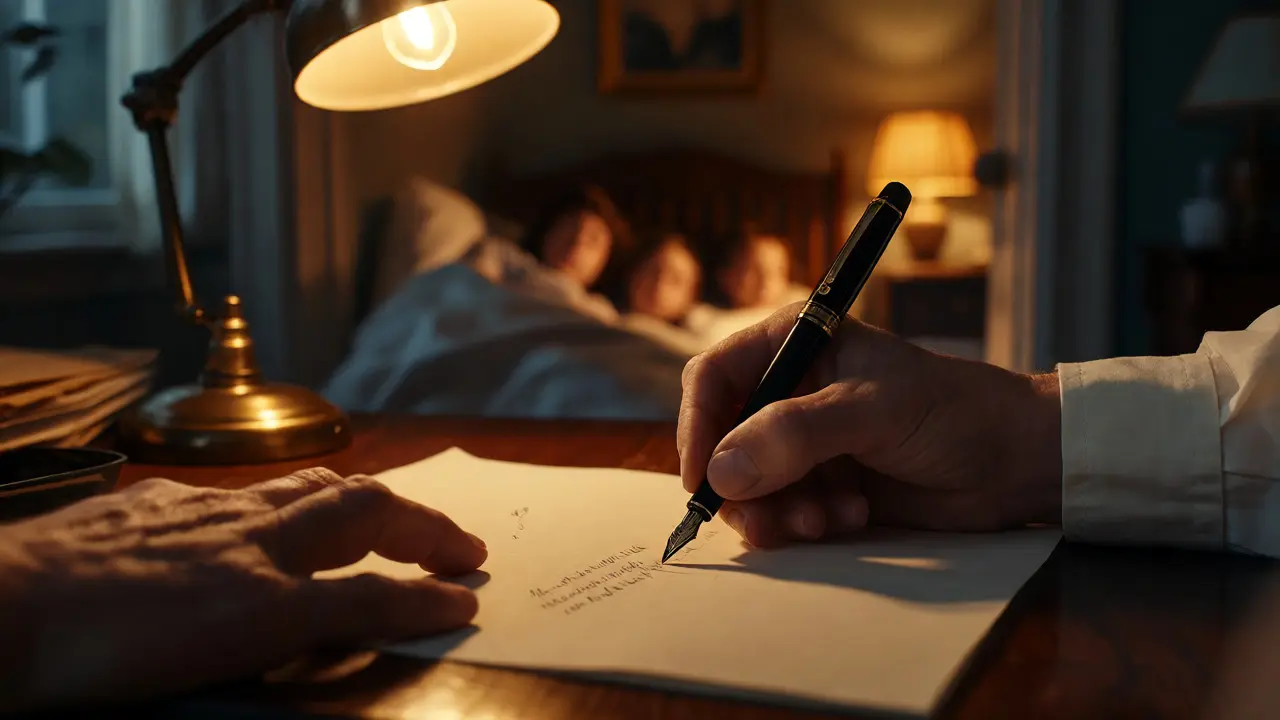
You write it on a Tuesday night. The house is quiet, the kids are asleep, and you finally sit down with a blank page. You want to tell your daughter about the time she laughed so hard milk came out of her nose, or you want to remind your son that his kindness matters more than his grades. But then the practical question hits: where does this letter actually go?
It’s easy to toss it in a drawer, scan it into a folder labeled "Misc," or leave it as an unsent draft in your email. But drawers get cleaned out during moves. Hard drives crash. Email drafts get deleted by accident when you’re trying to clear space. If you’ve written a letter meant for a specific future moment-like their 18th birthday, graduation, or wedding day-you need a place that keeps it safe, private, and ready to be delivered exactly when you say.
The Problem With Drawers and Digital Drafts
Think about what happens to physical paper over ten years. Ink fades if the light gets in. Humidity warps the pages. And let’s be honest: unless you have a fireproof safe that stays locked, that letter is vulnerable. Even if you keep it in a box marked "Important," who finds it first? A moving company? A relative helping you clean up before a party? Or worse, do you forget where you put it until the day arrives, only to realize you can’t find it?
Digital options aren’t much better if they’re just sitting on your personal device. A USB drive left in a desk can corrupt. A cloud backup might require a password you change every year and forget. An email scheduled to send in five years relies entirely on that one service staying online and your account remaining active. What you need isn’t just storage; it’s a digital vault designed specifically for long-term, date-triggered delivery.
Why a Digital Vault Works Better Than a Drawer
A digital vault isn’t just a fancy word for "cloud storage." It’s a secure environment where your message is encrypted before it ever leaves your device. This means that while the file is being stored, no one-not even the service provider-can read it. Only you hold the key. When you set a delivery date, say July 15, 2034, for your daughter’s 21st birthday, the vault holds that encrypted package until the trigger activates.
This approach solves two big problems at once: security and timing. You don’t have to worry about someone reading the letter early because it’s unreadable without your decryption key. And you don’t have to rely on your own memory or calendar reminders to hit "send" on the right day. The system handles the timing, ensuring the letter arrives when you intended it to, not when you remembered to look for it.
If you’re looking for prompts to help you decide what to actually write-from funny memories to core values-check out this full guide to writing a letter for your children. It breaks down how to capture those fleeting moments so they stay vivid for decades.
Longevity: Will It Still Be There in Ten Years?
This is the part most people skip. They assume that because they saved a file, it will exist forever. But corporate servers fail. Companies shut down. Services change terms. If your letter lives on a single server owned by one company, its lifespan is tied to that company’s business model.
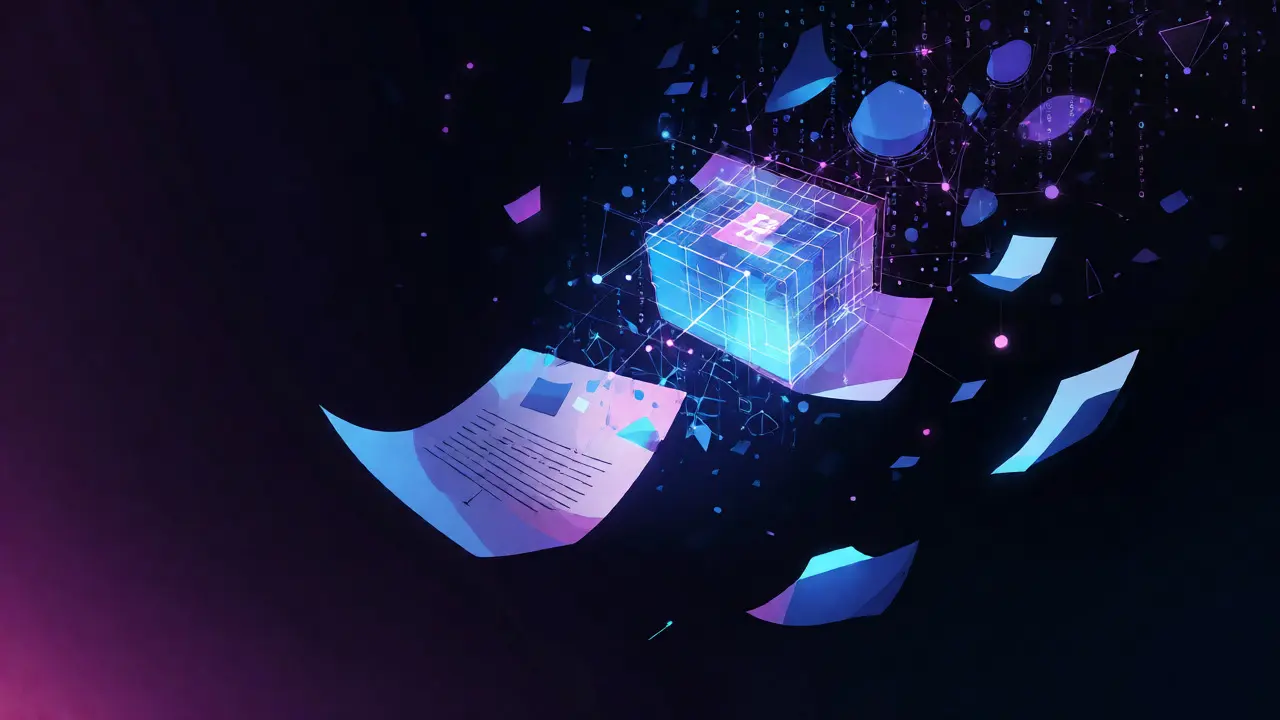
Modern solutions use decentralized storage to fix this. Instead of keeping your file on one computer in one building, the data is broken into pieces and spread across a network of computers worldwide. Think of it like storing copies of a book in libraries all over the country rather than just one library. If one library burns down, the book still exists elsewhere.
Services like Vaulternal use infrastructure such as Arweave for permanent storage and IPFS for peer-to-peer distribution. This means your letter isn’t dependent on any single company continuing to operate. Even if the tech landscape shifts, the data remains accessible because it’s anchored in a distributed network. For a parent writing today for a child’s milestone in 2035 or 2040, this kind of longevity is non-negotiable.
How Time-Based Delivery Actually Works
Setting up the delivery is surprisingly simple. You write the letter, upload it to the vault, and choose a trigger. For parents, the most common trigger is time-based. You pick the exact date: maybe the morning of their high school graduation, or the day after their first job starts.
Here’s the beauty of it: you can update the letter anytime before that date. Maybe you wrote a draft last year, but you want to add a new story about their recent soccer game. You can edit the content, re-encrypt it, and save it again. The recipient doesn’t see anything until the date arrives. Then, they receive a notification-usually via email or a link-to open the message. They don’t need to know how encryption works or manage complex keys. They just click and read.
This control is vital. You remain present in the process. You’re not leaving a note in a bottle hoping it washes ashore; you’re scheduling a surprise for yourself and your child. You know it’s there, waiting, safe and sound, until the moment you’ve chosen to share it.
Practical Steps to Secure Your Letter Today
Ready to stop worrying about lost papers? Here’s how to move from intention to action:
- Write with specificity: Don’t just say "I love you." Tell them about the rainy day you built a blanket fort. Specificity makes the memory real.
- Choose a meaningful date: Pick a milestone that feels significant to them, not just a random anniversary. Their 16th birthday? The day they leave for college?
- Use a zero-knowledge vault: Ensure the platform encrypts the file on your device. If the provider can’t read it, neither can anyone else.
- Leverage decentralized networks: Look for services that store data on distributed systems like Arweave or IPFS to ensure it survives server changes.
- Test the flow: Send a test message to yourself for next week. See how it looks and feels when it arrives. Adjust the tone if needed.
By using a tool like Vaulternal, you’re not just saving a file; you’re creating a promise kept. You’re saying, "I thought about this day, I wrote this for you, and I made sure it got here safely." That reliability adds weight to the words inside.
Can my child open the letter before the scheduled date?
No, typically not. In a secure digital vault, the file is encrypted and inaccessible until the time-based trigger releases it. Even if they guess the link or try to access the account early, the content remains unreadable without the decryption key provided upon delivery.
What happens if I want to change the letter after writing it?
You can usually update the content anytime before the delivery date. Most platforms allow you to overwrite the existing draft with a new version. The old version is replaced, ensuring that only the latest iteration is delivered on the scheduled day.
Is decentralized storage really safer than cloud storage?
Decentralized storage offers different types of safety. While traditional cloud storage is convenient, it relies on a single provider’s uptime and policies. Decentralized networks distribute data across many nodes, making it resilient to single points of failure, such as a server crash or a company shutting down its service.
Do I need to pay for a subscription forever?
This depends on the service. Some platforms offer one-time payment options for permanent storage (often called "Vault Permanent"), while others use annual subscriptions. Check the pricing structure to see which model aligns with your long-term plans for the letter’s delivery date.
Can I send video or audio instead of text?
Yes, many modern digital vaults support various file formats, including MP4 videos and MP3 audio files. This allows you to record your voice or film a short message, adding a personal touch that text alone cannot convey.