
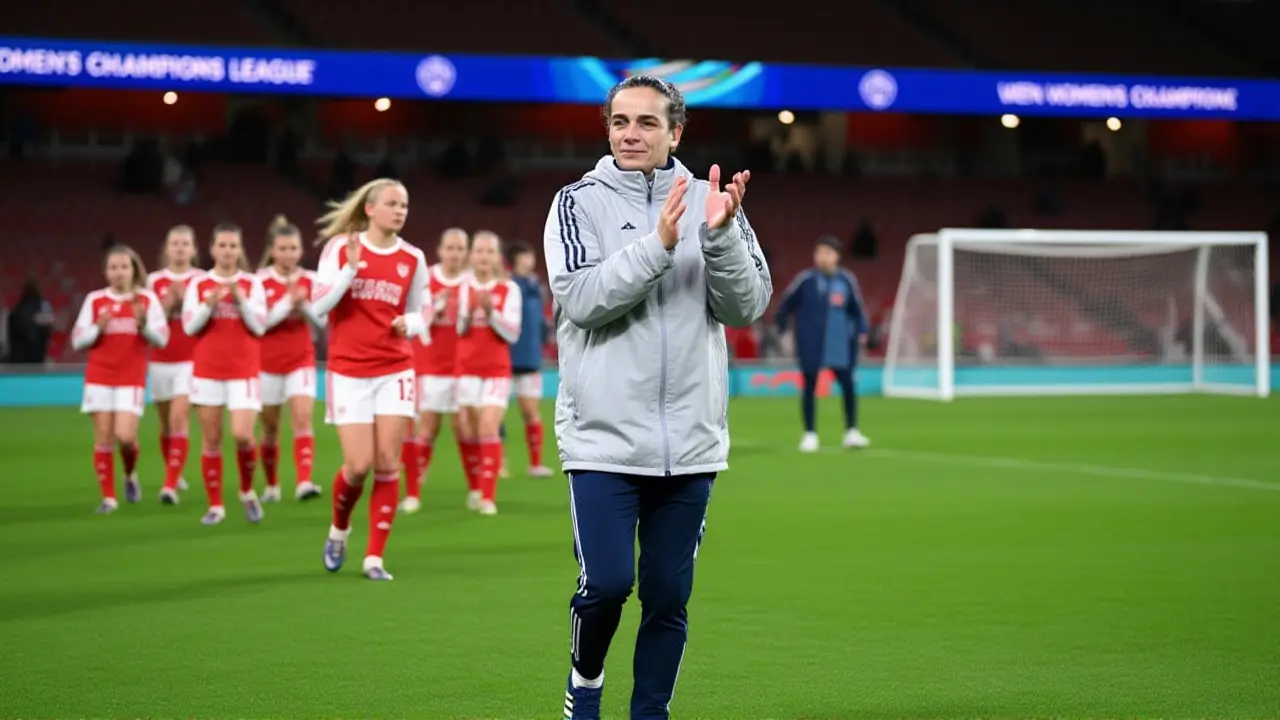
The rain lashed down on Emirates Stadium yesterday, but it couldn't dampen the tension between London rivals. Defending champions Arsenal FC dominated the opening act of their UEFA Women's Champions LeagueLondon quarter-final, securing a vital 3-1 victory over Chelsea FC.
Here's the thing: a 3-1 win feels comfortable on paper, but football rarely respects spreadsheets. Arsenal needed that two-goal buffer after Chelsea created early headaches. It was a gritty performance in less than ideal conditions, where composure mattered more than flair.
A Tale of Two Halves
The match started with nervous energy. Chelsea nearly took the lead in the sixth minute when Alyssa Thompson cut inside and her cross hit the post off Laia Codina. Minutes later, Lauren James struck the same upright. Those missed chances could haunt them. Instead, Arsenal settled in and punished the visitors before halftime.
Stina Blackstenius broke the deadlock in the 22nd minute. A simple header from a Katie McCabe free-kick put the Gunners ahead. Then came the real statement. Chloe Kelly, finding space on the edge of the box, unleashed a strike that flew into the far corner. "Beth [Mead] got the ball on the opposite side," Kelly said afterward. "I was waiting for it to come out to me, trusting my ability." That 2-0 lead set the tone for the afternoon.
Russo's Record-Breaking Night
Chelsea didn't go quietly. They pushed hard after the break, narrowing the gap through Lauren James. Her goal was spectacular—a long-range curler into the top corner in the 66th minute. It gave the home crowd something to cheer about, briefly. But Arsenal remained ice-cool.
The twist is how they sealed it. Alessia Russo stepped up in the 76th minute. She wasn't just scoring; she was rewriting history. During this match, Russo became the highest-scoring English player in a single season. She was named Vodafone Player of the Match, a nod to her decisive contribution when Chelsea threw everything forward.

Squad Depth and International Duty
Turns out, this wasn't exactly full strength for either side. Both clubs faced absences linked to international commitments. Specifically, players were unavailable due to the AFC Asian Women's Cup finalSydney. The timing was awkward, forcing managers to rely on those with game time in the wind and rain.
Chelsea deployed a back three, trying to absorb pressure. Their goalkeeper, Hannah Hampton, faced relentless tests, especially when Naomi Girma had to block Stina Blackstenius's follow-up. Despite creating numerous chances, the Blues left frustrated. Arsenal, conversely, showed why they are the reigning European champions by taking their opportunities when they arrived.
What Comes Next?
The second leg moves to Stamford Bridge next week. That two-goal advantage offers Arsenal breathing room, but Chelsea knows a draw at home sends them through on away goals. It's the second meeting this season; they drew 1-1 at the Emirates in November, then Arsenal won 2-0 earlier this year.
This fixture isn't just about bragging rights anymore. With the league title potentially on the line too, every point counts. The details are still unclear regarding fitness levels for the return leg, but momentum sits firmly with the Gunners right now.
Frequently Asked Questions
How does the 3-1 scoreline affect the tie?
A two-goal cushion gives Arsenal significant leeway. Chelsea would need to score twice without conceding to force a replay or advance on away goals, depending on the specific UEFA regulations for ties.
Who was named Player of the Match?
Arsenal striker Alessia Russo received the Vodafone Player of the Match award for her crucial late goal and overall influence, alongside setting a new scoring record for English players.
Where is the second leg being played?
The return fixture is scheduled for Stamford Bridge in London, typically played seven days after the first leg, allowing teams to recover from the physical demands of the quarter-finals.
Did injuries impact both squads?
Yes, several players were absent due to international duty surrounding the AFC Asian Women's Cup final in Sydney, forcing both technical staff to adjust their starting XI strategies accordingly.