It’s a busy week for Southeast Asia. From economic resilience in Indonesia to extreme heat warnings in Vietnam, the region is navigating a complex mix of global pressures and local priorities. On April 10, 2026, a regional roundup by Bernama highlighted how seven ASEAN nations are responding to everything from Middle East conflicts to domestic social reforms.
The news isn't just about politics; it's about how ordinary people are feeling the pinch of rising costs or the benefits of new trade deals. Here’s what you need to know from across the region.
Indonesia’s Economic Resilience Amid Global Turmoil
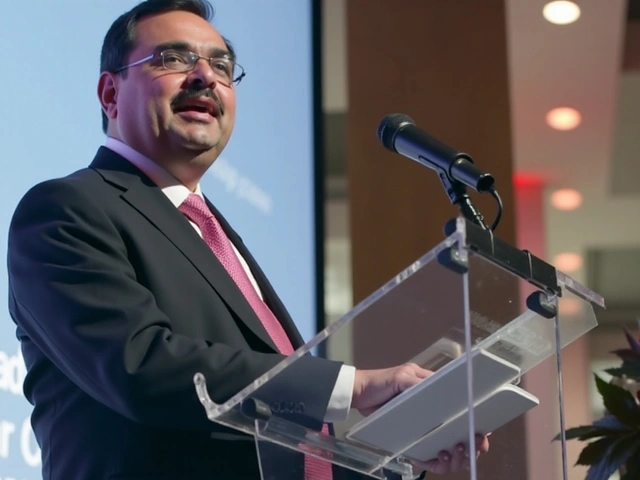
While much of the world worries about stagnation, Airlangga Hartarto, Coordinating Economic Affairs Minister of the Government of Indonesia, is projecting steady growth. He stated that Indonesia expects first-quarter 2026 gross domestic product (GDP) growth of at least 5.5 percent.
That’s impressive, considering the headwinds. Hartarto linked this figure to "resilient domestic demand," meaning Indonesians are still spending. But he didn’t sugarcoat the risks. The ongoing conflict in the Middle East and broader global uncertainty remain threats. Yet, Jakarta believes its internal market strength is enough to buffer against these external shocks for now.
Myanmar Deepens Agricultural Ties with India
In a move to stabilize food security and boost exports, Myanmar and India have signed a significant bilateral agreement. The deal focuses on pulses—specifically black gram and pigeon peas.
Under the terms announced around April 10, Myanmar will be allowed to export 250,000 tonnes of black gram and 100,000 tonnes of pigeon peas to India annually. These aren't vague targets; they are explicit annual quotas. This provides predictability for farmers in Myanmar and supply stability for India, which relies heavily on imported pulses. It’s a pragmatic step toward strengthening agricultural trade links between the two neighbors.
Philippines Shuffles Cabinet for Tourism Push
Manila is making waves in its tourism sector. President Ferdinand R. Marcos Jr. has appointed trade diplomat Dita Angara-Mathay as the new Secretary of the Department of Tourism.
The announcement came from the Presidential Communications Office on a Friday, signaling a shift in strategy. Angara-Mathay brings a background in trade diplomacy, suggesting the administration wants to leverage international trade networks to boost visitor numbers. It’s a cabinet-level post with real influence over how the Philippines markets itself globally.
Singapore Steps In for Transport Operators
Fuel prices are hurting more than just commuters’ wallets. The Government of Singapore has announced a three-month support scheme for transport operators. This aid is targeted specifically at those serving vulnerable groups: school students, people with disabilities, some seniors, and patients.
The goal is straightforward: help the sector cope with rising fuel costs without passing all the pain onto essential users. While the exact monetary value per operator wasn't detailed in the initial reports, the duration is fixed at three months. It’s a temporary lifeline designed to prevent service disruptions during this period of high energy prices.
Vietnam Battles Heat and Inflation
Things are heating up—literally—in Vietnam. Authorities are warning of extreme heat that could cross 40 degrees Celsius across much of the country this month. This isn't just uncomfortable; it poses serious public health risks, spikes energy demand for cooling, and increases the likelihood of wildfire outbreaks.
Compounding the issue is inflation. Vietnam’s inflation rate stood at 3.63 percent in the first quarter of 2026. The primary driver? High transportation costs, which are directly linked to the global energy crisis triggered by the conflict in West Asia. It’s a double whammy for Vietnamese households dealing with both higher bills and sweltering temperatures.
Cambodia Focuses on Inclusion and Diplomacy
Cambodia is taking a dual approach to national development. On the occasion of the 13th Autism and Down Syndrome Awareness Day, the government committed to not marginalizing the disabled community. They vowed to raise public awareness, promote rights, and foster equality.
Simultaneously, Phnom Penh is looking outward. Cambodia plans to upgrade its bilateral ties with France to a "strategic partnership." This expansion covers six key sectors: trade, energy, defense and security, healthcare, education, and tourism. It signals a desire to deepen diplomatic and economic roots with European powers.
Why This Matters Now
The common thread across these headlines is adaptation. Whether it’s Indonesia banking on domestic consumption, Singapore subsidizing essential transport, or Cambodia expanding diplomatic horizons, these nations are actively managing the ripple effects of global instability. For investors and travelers alike, understanding these shifts is crucial for navigating the region in the coming months.
Frequently Asked Questions
What is driving inflation in Vietnam?
Vietnam’s Q1 2026 inflation rate of 3.63% is largely driven by high transportation costs. These costs have surged due to the global energy crisis, which was triggered by the ongoing conflict in West Asia. This creates a direct link between geopolitical tensions and local price hikes for consumers.
Who benefits from Singapore’s transport support scheme?
The support is targeted at transport operators who serve specific vulnerable groups. This includes drivers transporting school students, people with disabilities, certain seniors, and patients. The government aims to help these operators manage rising fuel costs over a three-month period.
What did Myanmar and India agree to trade?
Myanmar and India signed an agreement allowing Myanmar to export 250,000 tonnes of black gram and 100,000 tonnes of pigeon peas to India annually. These are fixed annual quotas designed to strengthen agricultural trade and ensure stable supply chains for both nations.
Why was Dita Angara-Mathay appointed in the Philippines?
President Ferdinand R. Marcos Jr. appointed trade diplomat Dita Angara-Mathay as Secretary of the Department of Tourism. Her background in trade diplomacy suggests the administration intends to use international trade networks and strategies to boost tourism arrivals and revenue.
How does the Middle East conflict affect Southeast Asia?
The conflict contributes to global uncertainty and energy crises, which drive up fuel and transportation costs. This impacts inflation in countries like Vietnam and necessitates government support schemes in places like Singapore. Indonesia also cites it as a risk factor, though it remains optimistic about domestic growth.