
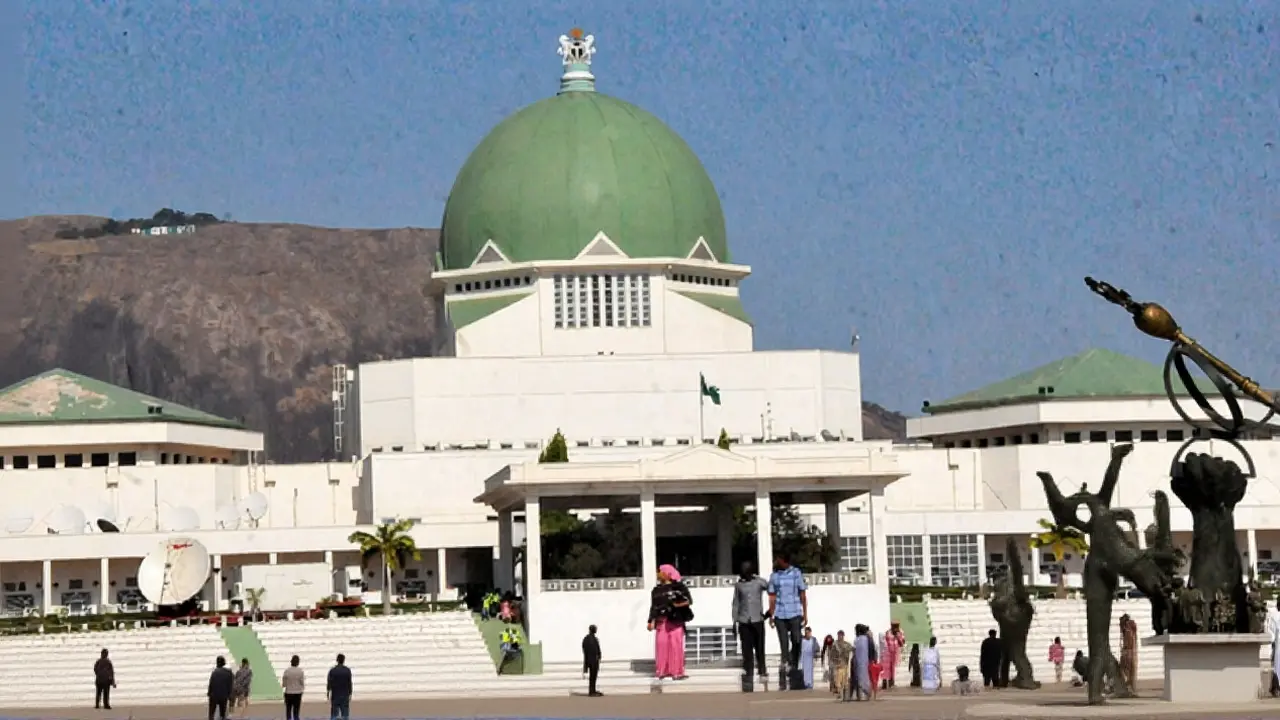
It’s supposed to be the seat of democracy in Nigeria. Instead, it’s becoming a hotspot for high-stakes legal drama. On Monday, June 8, 2026, the Economic and Financial Crimes Commission (EFCC) walked into court with an amended 23-count charge sheet, aiming to re-arraign three top officials from the National Assembly. The allegation? They allegedly conspired to divert roughly N337 million—specifically N337,062,350—in public funds meant for legislative operations.
The scene was set at the Federal Capital Territory High Court in Jikwoyi, Abuja. But just as the prosecution prepared to read out the charges, the defense threw up a roadblock. The hearing didn’t proceed as planned because counsel for one of the defendants raised a preliminary objection, arguing that the EFCC was trying to revive charges that had previously been quashed by the same judge.
The Accused: Inside the National Assembly Machine
To understand the gravity of this case, you have to look at who is sitting in the dock. These aren’t low-level clerks; these are senior management figures who held the keys to the legislature’s administrative and financial processes.
First up is Aishatu Bappa El-Nafaty, Director of Public Affairs in the Directorate of Special Duties and Parliamentary Security. She faces the most specific allegations involving personal gain. Then there’s Mahmud Alhaji Abubakar, the former Permanent Secretary of the National Assembly Service, a role that typically oversees the entire administrative machinery. Finally, Igba Ityoakura Joseph, Deputy Director of Procurement, who would have been involved in how contracts were awarded and managed.
The EFCC alleges that between 2017 and 2019, while serving in these capacities, the trio conspired to commit criminal breach of trust, forgery, and official corruption. The money they allegedly touched wasn’t pocket change—it came from the National Assembly’s management overhead and general services accounts.
The Money Trail: Forged Receipts and Personal Accounts
Here’s where the details get gritty. The prosecution claims that Mrs. El-Nafaty didn’t just mismanage funds; she allegedly converted them for personal use. According to the amended charge, she dishonestly moved N89.87 million from the National Assembly’s accounts into her personal bank account at SunTrust Bank.
But how do you hide millions in public funds? The EFCC says the answer lies in paper trails that weren’t real. The commission alleges that El-Nafaty forged receipts purportedly issued by Fazah Integrated Services Limited between 2017 and 2018. These fake documents were supposedly used to create false evidence of payments for services rendered, masking the diversion of cash.
This isn’t just about missing money; it’s about the integrity of the procurement process. If receipts can be forged by a Director of Public Affairs, what other transactions might have gone unchecked during those years?
Courtroom Drama: The Preliminary Objection
Turns out, the legal battle here is as intense as the allegations themselves. The re-arraignment was stalled when Muhammed Ndayako, Senior Advocate of Nigeria (SAN), representing Mahmud Abubakar, filed a preliminary objection.
Ndayako asked the court to strike out counts three, four, five, six, seven, and 18 of the amended charge. His argument? These counts were incompetent because they attempted to revive charges that Justice Muhammed Zubairu had already quashed on May 12, 2025. In legal terms, he argued that the EFCC couldn’t simply repackaging dismissed charges under a new indictment without following proper appellate procedures.
The EFCC’s lead prosecutor, Francis Usani, wasn’t having it. He complained that the objection was served only on June 5, 2026—just three days before the hearing—calling it “frivolous” and aimed at frustrating the trial. Usani urged the court to dismiss the objection and proceed with taking pleas.
What Happens Next?
After listening to both sides, Justice Zubairu adjourned the matter. The next critical date is September 23, 2026, when the court will hear arguments on the preliminary objections. Only after the judge rules on whether those specific counts can stand will the defendants be formally re-arraigned on the full 23-count charge.
This delay highlights a common tactic in high-profile corruption cases: procedural hurdles designed to test the prosecution’s resolve and resources. For the public watching, it’s a reminder that justice in complex financial crimes often moves slower than headlines suggest.
A Broader Crackdown on Political Corruption
This case doesn’t exist in a vacuum. It’s part of a wider wave of anti-graft activities led by the EFCC. Recent reports indicate the agency has reopened money laundering cases against 13 former governors and several ex-ministers. Additionally, investigations are ongoing into contract fraud involving billions of naira across various federal ministries.
Historically, the National Assembly has faced scrutiny over its finances. Former Finance Minister Kemi Adeosun and ex-presiding officers Bukola Saraki and Yakubu Dogara once submitted a list of 82 contractors claiming unpaid debts, highlighting longstanding issues with financial management and contractor payments within the legislature. The current allegations against El-Nafaty, Abubakar, and Joseph add another layer to this complex history of accountability.
Frequently Asked Questions
Who are the three National Assembly officials being charged?
The accused are Aishatu Bappa El-Nafaty (Director of Public Affairs), Mahmud Alhaji Abubakar (former Permanent Secretary), and Igba Ityoakura Joseph (Deputy Director of Procurement). All three held senior positions within the National Assembly Service between 2017 and 2019.
How much money is alleged to have been diverted?
The total amount alleged to be diverted is approximately N337 million (specifically N337,062,350). Of this, N89.87 million is specifically alleged to have been converted into Aishatu El-Nafaty's personal SunTrust Bank account.
Why was the re-arraignment delayed?
The re-arraignment was stalled because defense counsel Muhammed Ndayako (SAN) filed a preliminary objection. He argued that several counts in the amended charge were attempts to revive charges that had been previously quashed by Justice Muhammed Zubairu on May 12, 2025.
What is the next step in the legal process?
The court has scheduled a hearing for September 23, 2026, to address the preliminary objections. Once the judge rules on whether the contested counts are valid, the defendants will then be formally re-arraigned on the amended 23-count charge sheet.
Is this part of a larger investigation?
Yes, this case is part of a broader EFCC crackdown on political corruption. The agency is simultaneously investigating money laundering cases involving 13 former governors and probing contract fraud worth billions of naira across various federal ministries.